
Anne Murray’s Couch
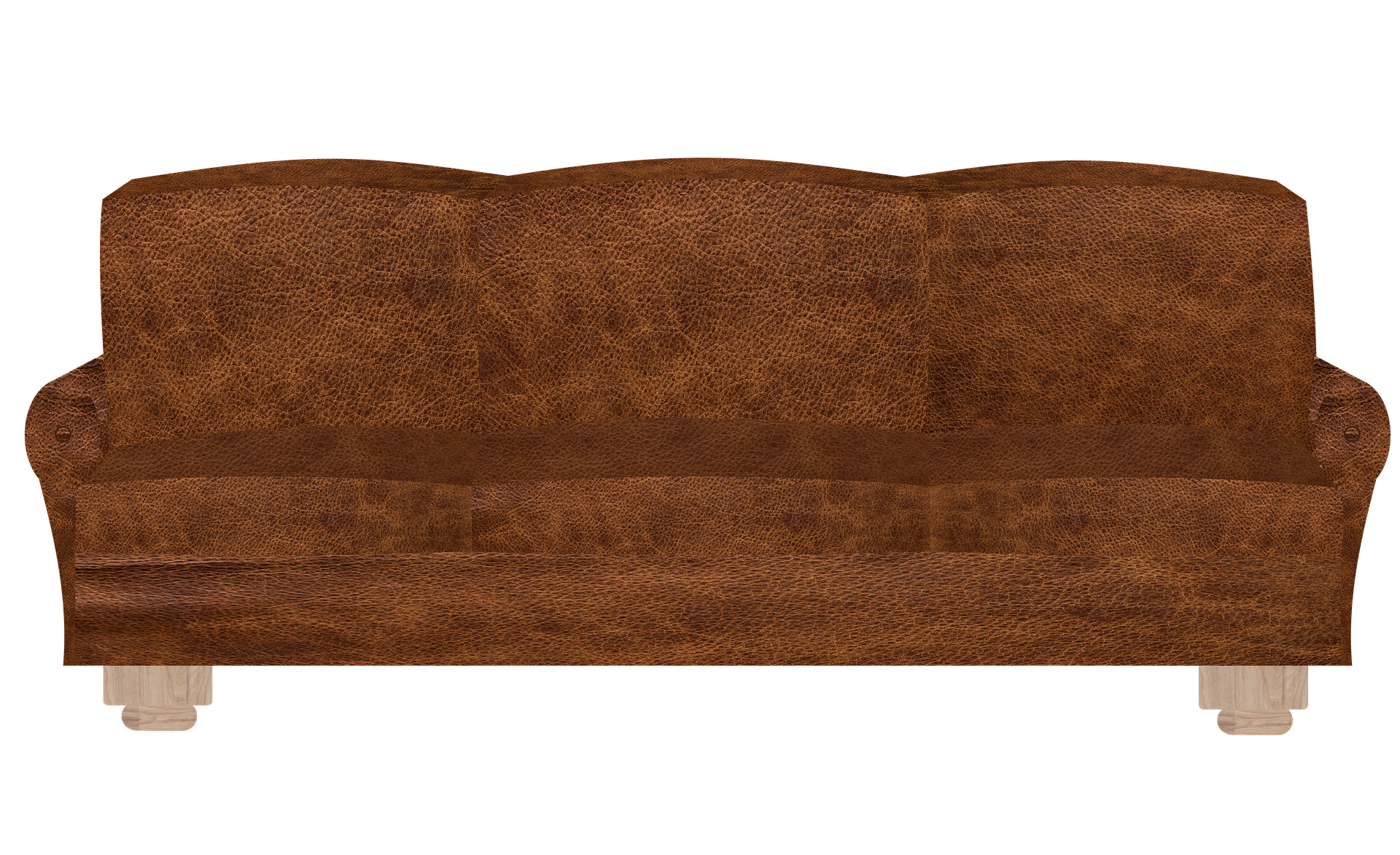
The couch was not like the one at home, where you could pull the pillows and turn them sideways and snuggle on them.
I was at Grandma’s. The couch was stiff like all her furniture.
I send a weekly newsletter about writing, creativity, and using writing to make space between who we are and who we tell ourselves we are. This week was about the difference between making things and making the best of things.
I looked over at the lampshade with the plastic liner over it, next to a chair with a plastic liner over it. Nothing was very comfortable in here. The stiff, pointy, brown material of the couch scratched at my bare legs under my shorts. There was no blanket around to use as a layer of protection, and when I stretched the full length of my six-year-old body prone and lay my head back, my feet arched up in full calf flex. I stared up at the ceiling, listening to Anne Murray croon from the record player, one of three LP’s in grandma’s collection. Since the other ones were some Italian opera guy and Liberace Live at the Palladium, this one usually got the most play. My dad had gotten the Liberace one for her. Later that year, we would go as a family to see him in concert when I had shown a spark of interest in piano. Both Grandma and I loved us some Liberace after that.
I grew up before the era of tablets and moms with healthy snacks and ice packs in portable bags that they carried around from after care to parks to soccer practice. I was the generation raised on leashes; we were used to being ignored. No one ever thought to bring an activity; our grandmas didn’t have playrooms or second sets of clothes or cribs as our children had. My grandma's house was a deathtrap of ancient poisons, rusty nails, and unguarded flights of stairs. It was not child-friendly, nor child-fun-dly, and I had two younger siblings higher up on the worry food chain. Anne Murray and I would have to entertain ourselves on the brown couch, and I would make it work. I was good at making it work.
This was one of those tricky things, because this quality, the ability to always make the best of things, is a great asset. This was how I distracted myself from terrible jobs by focusing on the good friends I made there. How I rebranded claustrophobically small apartments into super cozy. And how I saw abusive relationships as works in progress that I could shape into something different.
But I was too busy praising myself for working with what I had, transforming the improbable, that I didn’t see that this left no space for creating something from the ground up, exactly the way I wanted. Because, if you’re not careful, being good at ‘making the best of it’ attracts broken things to be glued together into makeshift replicas of what they could be, the best they can, almost as good. Their possibility.
And I didn’t see that I was pouring my energy into that, instead of myself. Because there was a part of me that didn’t think I deserved it. Because when you live it, walk it, stand it in, it’s hard to see it. But writing gives you a little bit of distance, just that separation that lets you step away.
And when I could read it, it became clear that all that reaching, all that telling myself I was OK, all that pretending it didn’t hurt, was burning me out. And it turned out I didn’t want to have to make the best of things. I had just taken for granted that this was a setting. This was who I was, this was the way it was.
So I can write about these things, about being tired, about being unhappy, about sitting on the scratchy brown couch. I can write and write and write. And if I want to, I can go back, and I can read. And if I see that I am unhappy on the brown couch, I can ask myself if I am tired of listening to Anne Murray and if I am willing to take action. I can get more records. And I can get a new couch if I am ready. Because it’s hard to see when you are staring at the ceiling, and your legs are scratchy, that you are still on the couch.
Are you on the couch?