
Buttery Trauma
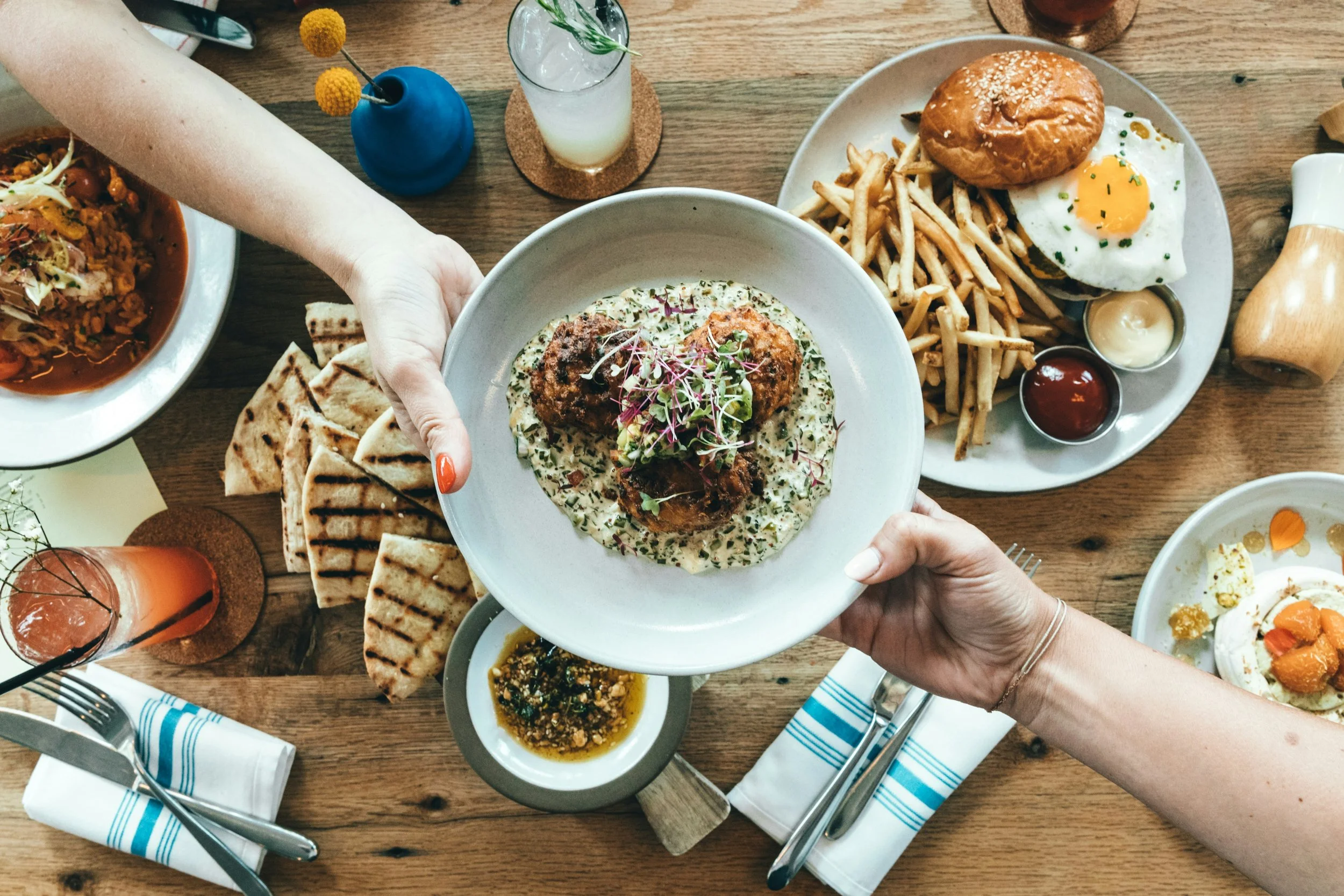
So, my client swore she was not creative. But she could cook a chicken cacciatore that would restore your faith in humanity. And I had to hear about it. But not eat it.
Therapists have it rough.
Cooking was her thing. And she never had to step out of a normal day or do anything different than anyone else around dinnertime. Maybe her head was more in the game, maybe she slammed her pans around a little harder sometimes. But it never looked like anything but making food to eat from the outside. To her or anyone.
She had it all, really. A wonderful life with a healthy marriage. But all of a sudden there was a distance between them that wasn’t there before. And the more she felt it the more she disappeared into her cooking because that was where she went to figure things out. And the deeper she went the more isolated she felt and it triggered a repressed memory, an abandonment trauma she wasn’t aware of because the subconscious tucks unprocessed material there like a psychopath’s surprise party. And when it crept up it caused a wave of anxiety so overwhelming it short-circuited her system, and she could neither articulate nor manage it. And she didn’t know what it was or where it came from, only that she was having panic attacks and racing thoughts and that it was getting harder and harder to leave the house.
That’s when she found me.
And I started asking questions.
She told me about her partner. How he was her best friend. How he understood her shy nature, accommodated her low tolerance for crowds and dislike of loud noise and big parties. He got her. She attributed the distance to her “too much-ness.” She was a lot, she knew. Her anxiety was well-known between them. She hated that she was so much trouble.
When I asked how he was handling the resurfaced trauma, the months of struggle, the bouts of sudden tears, sleeplessness and bad dreams, she stared at me. “What was his reaction when it felt like your windpipe closed last week, when you were at Home Depot and you almost passed out?”
She hadn’t told him. She hadn’t told the person closest to her, the person most likely to help her heal, the only one who would understand. All this time. Somehow it had not occurred to her. How could that be?
Luckily, she had an excellent therapist. I pointed to her process, the loving organization of supplies and recipes, the soothing rituals around how she prepped and defrosted and simmered while she chopped. The places her mind went as she crossed and recrossed her kitchen. She had turned to cooking, again and again, her chosen creative expression, to cope with stress and worry all under the legitimizing guise of “welp, a girls gotta eat,” for much of her life, successfully. But in the face of this inexplicable and painful trauma, she had lost herself in the sauce. And relegated her husband to a side dish.
When they talked at home, her husband confessed that he had felt iced out and confused and angry. Because all he saw was an increasingly anxious partner spiraling, presenting him with meals he didn’t ask for in silence, while he felt a distance he could not bridge growing for reasons he could not place. While he gained ten pounds because butter.
Confidentiality is real, so this person is not. But I’ve had enough clients like this to smoosh them into a type, and that is someone creative but not consciously, isolated but sitting next to support, leaning on a thing so completely they forget it’s holding them up.
Because everyone’s creativity looks different.
Because everyone uses it differently.
What does yours look like?